Last updated 2026-07-25
TL;DR
Landlords can inspect for safety hazards, code violations, unauthorized occupants, and property damage, but most states require 24 to 48 hours advance notice and limit inspections to reasonable purposes. Tenants without a lease still have rights under state landlord-tenant law. Rules vary by state and city, so confirm specifics with your local rental licensing office before you knock.
what can a landlord look at during an inspection?
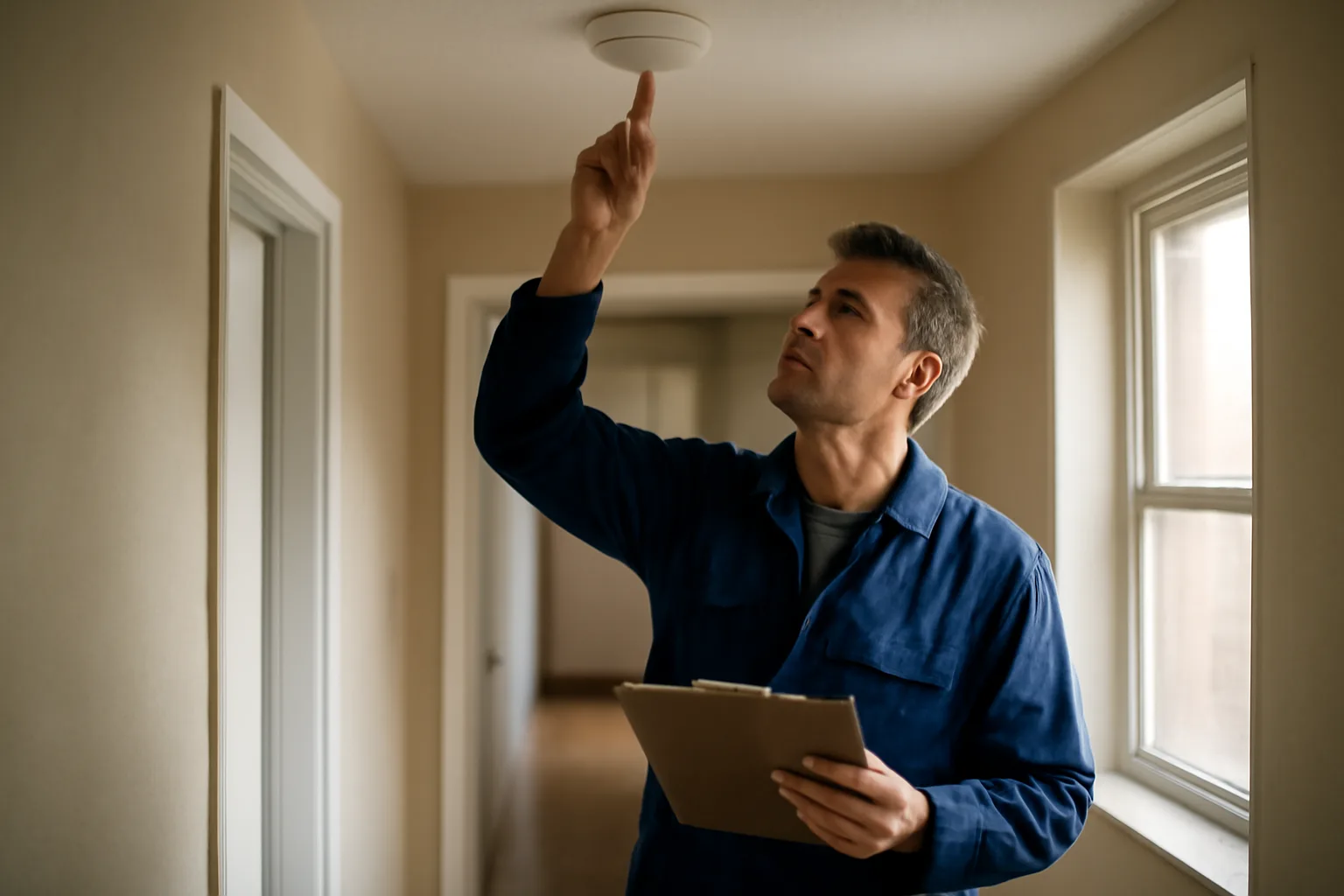
A landlord doing a routine inspection can generally check smoke detectors and carbon monoxide alarms, look for water damage or mold, check that major systems (heat, plumbing, electrical) work, confirm no one is living there who isn't on the lease, and note obvious lease violations like an unauthorized pet or a fire hazard in a hallway. That's the short list. It is not a license to open every drawer or photograph a tenant's belongings. Most state landlord-tenant statutes frame the purpose narrowly: inspections are for verifying the condition of the property, making repairs, or showing the unit to prospective renters or buyers, not for general surveillance. California's Civil Code, for example, allows entry for "to make necessary or agreed repairs" and similar defined purposes, and requires "reasonable notice in writing" which the statute treats as 24 hours in the absence of other agreement [1]. If you're prepping for a city-mandated rental inspection (the kind tied to a rental license renewal rather than your own routine check), the inspector is usually looking at a specific checklist: egress windows, handrails, smoke and CO detector placement, electrical panel condition, and sometimes exterior items like peeling paint or trip hazards. That's a different animal from a landlord's own walkthrough, and the city's checklist is public record in most municipalities, so ask your rental licensing office for it in advance.
how much notice does a landlord have to give before entering?
| California | 24 hours | Cal. Civil Code § 1954 [1] | |
|---|---|---|---|
| Florida | 12 hours presumed reasonable for repairs | Fla. Stat. § 83.53 [2] | |
| Oregon | 24 hours | Or. Rev. Stat. § 90.322 [3] | |
| Ohio | Reasonable notice, no fixed hours in statute | Ohio Rev. Code § 5321.05 [4] | City rental licensing inspections often layer another notice requirement on top of the state one. Some cities require a 7 to 30 day written notice before a scheduled licensing inspection. Confirm with your city rental licensing office rather than assuming the state notice period covers a licensing visit. |
Most states require 24 to 48 hours written or verbal notice before a landlord enters for a non-emergency reason, but the exact number and the acceptable method of notice vary by state, so this is one to actually check. California sets the default at 24 hours and requires the notice be "reasonable" in both timing and manner [1]. Florida's landlord-tenant statute doesn't set a specific number of hours but requires the landlord to give the tenant "reasonable notice" and specifies that 12 hours' notice for the purpose of repair is presumed reasonable [2]. Some states, like Oregon, spell out 24 hours specifically and list the entry purposes allowed [3]. Emergencies are the standard exception everywhere: burst pipe, fire, gas leak, or a similar situation threatening life or property lets a landlord enter without any advance notice. Outside of an emergency, entering without proper notice can expose a landlord to a claim for violation of the tenant's right to quiet enjoyment, and in some states it's an explicit statutory violation with its own penalty. Here's a rough comparison of notice windows across a few states. Always confirm against the current statute, since these get amended. | State | Typical notice required | Source |
who is responsible for a rental property walk-through inspection in california?
In California, the landlord is responsible for scheduling and documenting move-in and move-out walk-through inspections, but the tenant has a statutory right to be present. California Civil Code Section 1950.5 gives tenants the right to request an initial inspection before move-out, done "no earlier than two weeks before the expiration or termination of the tenancy," specifically so they get a chance to fix any deficiencies before final deductions come out of the security deposit [5]. At that initial inspection, the landlord has to give the tenant an itemized statement of anything that needs repair or cleaning to avoid a deduction, and the tenant then has the opportunity to make those fixes themselves. This is different from a routine mid-tenancy inspection, which follows the general entry notice rules under Section 1954. For move-in, there's no statute that forces a joint walk-through, but it's standard practice, and smart, because a documented move-in condition report (photos, dated checklist, both signatures if possible) is your best evidence if a deposit dispute ends up in small claims court later. Skipping it doesn't violate the law, but it removes your strongest paper trail.
what rights do tenants have without a lease?
A tenant without a signed lease still has real legal protections. If there's no written lease, most states treat the arrangement as a month-to-month tenancy governed by the state's landlord-tenant statute, and the tenant gets the same baseline rights: the right to habitable premises, the right to advance notice before entry, the right to proper notice before eviction, and the right to the return of any security deposit under the same rules that apply to written leases. What a tenant without a lease does NOT automatically get is a fixed term. Without a written lease specifying, say, a 12-month term, the tenancy is presumed to run month-to-month, and either side can generally end it by giving the notice period required under state law (commonly 30 days, sometimes tied to how often rent is paid). A verbal agreement to pay rent, once rent has actually been accepted, is enough in most states to create a legally recognized tenancy. The landlord can't skip the state's eviction process just because there's no lease document; unlawful detainer or eviction procedures under state law still apply. "No lease" does not mean "no rights," and it definitely doesn't mean a landlord can change the locks or shut off utilities to force someone out; that's illegal self-help eviction in essentially every state.
what can a landlord not do in ohio?
Ohio's landlord-tenant law (Ohio Revised Code Chapter 5321) spells out specific things a landlord cannot do, and violating them can mean the landlord owes the tenant damages plus attorney fees in some cases. A landlord in Ohio cannot enter the rental unit without giving reasonable notice, cannot shut off utilities or change the locks to force a tenant out (self-help eviction is illegal; the landlord has to go through the courts), and cannot retaliate against a tenant for exercising a legal right, like reporting a code violation. Ohio Rev. Code § 5321.02 specifically prohibits retaliatory conduct, including raising rent, decreasing services, or filing eviction, if it's in response to a tenant complaint to a government agency about a building or health code violation [6]. A landlord also cannot fail to maintain the premises in a fit and habitable condition. Section 5321.04 requires landlords to "comply with the requirements of all applicable building, housing, health, and safety codes" that materially affect health and safety, keep common areas safe and sanitary, and maintain electrical, plumbing, sanitary, heating, ventilating, and air conditioning systems in good working order [7]. One more Ohio-specific wrinkle: security deposits over $50 or one month's rent (whichever is greater) accrue 5% simple annual interest if the tenancy runs 6 months or longer, and the landlord has to pay it out at the end of the tenancy under Section 5321.16 [8]. A lot of small landlords don't know that rule exists until a tenant brings it up.
why do landlords require renters insurance?
Landlords require renters insurance mainly to shift liability risk off their own policy and to make sure a tenant can actually cover damage they cause, like a kitchen fire or a bathtub overflow that soaks the unit below. A landlord's own property insurance covers the building structure, but it typically doesn't cover a tenant's personal belongings, and it may not fully cover liability if the tenant (not the landlord) caused the damage. Requiring renters insurance, usually with a minimum liability coverage amount like $100,000 and sometimes naming the landlord as an "additional interest" on the policy, means the tenant's own insurer pays out first for tenant-caused losses, rather than the landlord's carrier eating the claim (and the landlord eating a premium increase afterward). There's no federal law requiring this, and state law generally allows landlords to require it as a lease condition as long as it's disclosed and applied consistently. It's not a guarantee against every loss, and requiring it doesn't shift a landlord's own maintenance and safety obligations, but it materially reduces the landlord's out-of-pocket exposure on a fairly common category of claim (fires, water damage, dog bites). Typical renters policies run somewhere in the range of $15 to $30 a month depending on coverage level and location, so it's a low lift to require compared to the protection it buys the property owner.
what is landlording, exactly?
Landlording is the ongoing business of owning residential or commercial property and renting it out to tenants in exchange for rent, which includes everything from finding and screening tenants, to maintaining the property, to handling rent collection, to complying with local licensing and habitability law. It's more than collecting a check. Depending on where the property sits, landlording means registering the rental with the city (many mandatory-licensing municipalities require an annual or biennial rental license, sometimes tied to a physical inspection), keeping the unit up to local housing code, handling repair requests within statutory timeframes, managing security deposits according to state rules, and following the state's eviction process if things go wrong. The day-to-day mix looks different for a landlord with one duplex than for someone running 200 units, but the legal floor is the same: habitability, notice, and fair treatment obligations apply whether you own one unit or a hundred.
what is a landlord, in the legal sense?
A landlord is the party who owns or controls a rental property and leases it to a tenant in exchange for rent, taking on the legal duties that come with that role under state and local law. Legally, the label triggers specific obligations: most states impose an "implied warranty of habitability," meaning the landlord has to keep the unit livable (working plumbing, heat, structural safety) whether or not the lease says so explicitly. Ohio's version of this, for instance, is baked into Ohio Rev. Code § 5321.04's list of landlord duties [7]. The landlord is also the party who has to follow state notice-before-entry rules, handle the security deposit under state deposit law, and go through the formal eviction process rather than removing a tenant unilaterally. A property manager acting on an owner's behalf typically takes on these same duties functionally, but the owner remains the legal landlord of record for lease and code enforcement purposes in most jurisdictions unless ownership itself has changed.
how do you become a landlord?
Becoming a landlord starts with buying or already owning a property you intend to rent out, then working through a short but non-optional checklist before you hand over keys: check local zoning allows rental use, register the rental if your city or county requires a license (a growing number do; search "[your city] rental registration" or check with the city clerk or housing department), get landlord liability insurance, and write a lease that complies with your state's landlord-tenant statute. After that, the practical steps are tenant screening (credit, background, and eviction history checks, done consistently and in compliance with the Fair Housing Act, which bars discrimination based on race, color, religion, sex, national origin, disability, or familial status [9]), collecting a security deposit within your state's cap and handling rules, and setting up a system for rent collection and maintenance requests. A lot of first-time landlords skip the licensing step because they don't realize their city requires it until a neighbor complaint or a routine sweep triggers a notice. If you're in a city with mandatory rental licensing, the smart move is to check before you list the unit, not after a violation notice shows up. Some cities charge a late-registration penalty on top of the base license fee if you rent first and register later, so front-loading the paperwork saves money.
what does it actually mean to "be a landlord" day to day?
Being a landlord day to day means responding to maintenance requests promptly (many states set a specific timeframe, like Ohio's requirement to comply with health and safety code obligations without an explicit statutory deadline, though "reasonable time" standards get read into that in practice), staying current on rent collection, walking the property periodically to catch problems early, and keeping paperwork (leases, notices, repair records, deposit accounting) organized enough to survive a dispute or an audit. It also means staying current on the rules themselves. Landlord-tenant law changes; cities add or modify rental licensing ordinances, states adjust security deposit caps or notice periods, and building codes get updated periodically. A landlord who hasn't checked their city's rental ordinance in three years is running a real risk of a surprise violation notice. If your city is one of the mandatory rental-licensing municipalities and you've gotten a notice, inspection deadline, or fine, RentalPermitPath's City Rental License & Inspection Prep Packet is a $79 one-time tool built specifically to help landlords get organized before that inspection, covering the common checklist items cities look for (smoke and CO detectors, egress, electrical panel access, handrails) so you're not guessing at what the inspector wants to see.
what happens at a city rental licensing inspection?
A city rental licensing inspection is different from a landlord's own routine walkthrough: it's conducted by a city inspector (building, code enforcement, or health department, depending on the city) against a specific published checklist, and the outcome determines whether your rental license gets issued, renewed, or flagged for violations. Common items on these checklists include working smoke detectors in every bedroom and on every level, carbon monoxide detectors where required, two means of egress from sleeping rooms, functioning handrails on stairs with more than a few steps, no exposed wiring, a properly labeled electrical panel, and exterior conditions like peeling paint (especially relevant in pre-1978 housing due to lead paint rules) and trip hazards on walkways. Most cities give advance written notice of the inspection date and, if violations are found, a correction period, commonly somewhere between 10 and 30 days, before fines kick in. Fine amounts vary widely by city, sometimes $100 to $500 per violation per day it continues, so getting ahead of an inspection rather than reacting to a failed one is worth the time. Confirm your city's specific checklist, fee schedule, and correction period with your local rental licensing office, since these details are set locally and change.
Frequently asked questions
Do rental car agencies run your license?
This site covers residential rental property licensing, not car rental companies. If you're asking about renting a vehicle, most car rental agencies check your driver's license for validity and may pull a motor vehicle record (driving history) in some states or for certain rental categories, but that's a separate process from landlord-tenant rental licensing covered here.
How much notice does a landlord have to give before entering a rental unit?
Most states require 24 to 48 hours notice for non-emergency entry. California sets 24 hours [1], Florida presumes 12 hours reasonable for repair entry [2], and Oregon requires 24 hours [3]. Ohio requires "reasonable notice" without a fixed number of hours in the statute [4]. Always confirm your specific state's current requirement, since these get amended.
What can a landlord look at during an inspection?
A landlord can check safety equipment (smoke and CO detectors), major systems (plumbing, electrical, heating), overall unit condition, and lease compliance issues like unauthorized occupants or pets. It's not a general search; entry has to tie to a legitimate purpose defined by state law, like repairs, showing the unit, or a required inspection.
Who is responsible for a rental property walk-through inspection in California?
The landlord schedules and documents it, but tenants have a statutory right to request an initial move-out inspection under Cal. Civil Code § 1950.5, done up to two weeks before move-out, so they can fix deficiencies before final deposit deductions [5]. Move-in walk-throughs aren't mandated by statute but are standard best practice.
What rights do tenants have without a lease?
Tenants without a written lease still get the protections in their state's landlord-tenant statute: habitability, entry notice, eviction process, and deposit return rules. Absent a written term, the tenancy is typically treated as month-to-month. A landlord still can't force someone out without going through the legal eviction process.
What is landlording?
Landlording is the business of owning and renting out property, covering tenant screening, lease management, maintenance, rent collection, security deposit handling, and compliance with local licensing and habitability law. It applies whether you own one rental unit or a large portfolio.
What is a landlord?
A landlord is the person or entity that owns or controls a rental property and leases it to a tenant for rent. Legally, this role carries specific duties: maintaining habitability, giving proper entry notice, handling deposits under state rules, and following formal eviction procedures rather than removing a tenant directly.
How do you become a landlord?
Confirm zoning allows rental use, register with your city if mandatory rental licensing applies, get landlord liability insurance, write a state-compliant lease, and set up consistent tenant screening under Fair Housing Act rules [9]. Check your city's rental registration requirement before listing the unit, not after a violation notice arrives.
Why do landlords require renters insurance?
Renters insurance shifts liability for tenant-caused damage (fires, water damage, certain injuries) onto the tenant's own policy instead of the landlord's, and it covers the tenant's personal belongings, which the landlord's building policy typically doesn't. It's a low-cost requirement, often $15 to $30 a month, that meaningfully reduces landlord risk.
What can a landlord not do in Ohio?
Ohio landlords can't enter without reasonable notice, can't shut off utilities or change locks to force a tenant out, and can't retaliate against a tenant for reporting code violations, per Ohio Rev. Code § 5321.02 [6]. They also must maintain habitability and safety systems under § 5321.04 [7] and pay deposit interest under § 5321.16 where it applies [8].
Can a landlord inspect a rental unit whenever they want?
No. Nearly every state requires advance notice for non-emergency entry, and limits entry to specific purposes like repairs, showings, or required inspections. Entering without notice or for no legitimate reason can violate the tenant's right to quiet enjoyment and, in some states, is an explicit statutory violation.
What's the difference between a landlord's routine inspection and a city rental licensing inspection?
A landlord's own inspection checks general condition and lease compliance and follows state entry-notice rules. A city rental licensing inspection is done by a government inspector against a published local checklist (detectors, egress, electrical, structural items) and determines whether your rental license is issued or renewed. Confirm your city's specific checklist with its rental licensing office.
Is a verbal lease agreement legally enforceable?
In most states, yes, once rent has been paid and accepted, a verbal agreement creates a legally recognized month-to-month tenancy with the same baseline protections as a written lease, though proving specific terms (rent amount, included utilities) can be harder without anything in writing. Some states cap how long a verbal lease can run before it must be in writing.
Sources
- California Legislative Information, Civil Code § 1954: California requires 24 hours reasonable written notice before landlord entry for repairs and similar purposes
- Online Sunshine (Florida Legislature), Statute § 83.53: Florida presumes 12 hours notice reasonable for landlord entry to make repairs
- Oregon State Legislature, ORS § 90.322: Oregon requires at least 24 hours notice before landlord entry for listed purposes
- Ohio Revised Code § 5321.05: Ohio requires reasonable notice before landlord entry into a rental unit
- California Legislative Information, Civil Code § 1950.5: California tenants can request an initial move-out inspection up to two weeks before tenancy ends to address deficiencies before deposit deductions
- Ohio Revised Code § 5321.02: Ohio prohibits landlord retaliation against tenants who report code violations to a government agency
- Ohio Revised Code § 5321.04: Ohio landlords must comply with applicable housing and safety codes and maintain electrical, plumbing, and HVAC systems
- Ohio Revised Code § 5321.16: Ohio security deposits exceeding $50 or one month's rent accrue 5% simple annual interest for tenancies of six months or more
- U.S. Department of Housing and Urban Development, Fair Housing Act overview: The Fair Housing Act bars rental discrimination based on race, color, religion, sex, national origin, disability, or familial status