Last updated 2026-07-25
TL;DR
Denver requires most residential rentals to hold an active rental license, which requires passing a self-certification or city inspection covering health and safety items like smoke alarms, egress windows, and electrical hazards. Confirm current fees and inspection cycles with Denver's Excise and Licenses office before your deadline hits.
Does Denver require a rental license and inspection?
Yes. Denver's rental licensing program, run through the Department of Excise and Licenses, requires owners of most residential rental properties to hold an active rental license before renting the unit out. The city passed this requirement as part of a broader push (Denver's Residential Rental Licensing law, and related Denver Revised Municipal Code provisions) to make sure rentals meet minimum health and safety standards [1]. The license isn't a one-time thing. Denver requires renewal on a set cycle, and as part of either initial licensing or renewal you'll need to certify (or in some cases have inspected) that the unit meets minimum housing standards. Confirm the exact renewal interval and current fee schedule with Denver's Excise and Licenses office, since program details have shifted more than once since the ordinance rolled out. If you own a single-family home, a duplex, a condo, an ADU, or units in a larger multifamily building, you likely fall under this requirement unless a specific exemption applies (owner-occupied situations sometimes differ). Don't assume a small property is exempt just because it's small. Check directly.
What does a Denver rental inspection actually check?
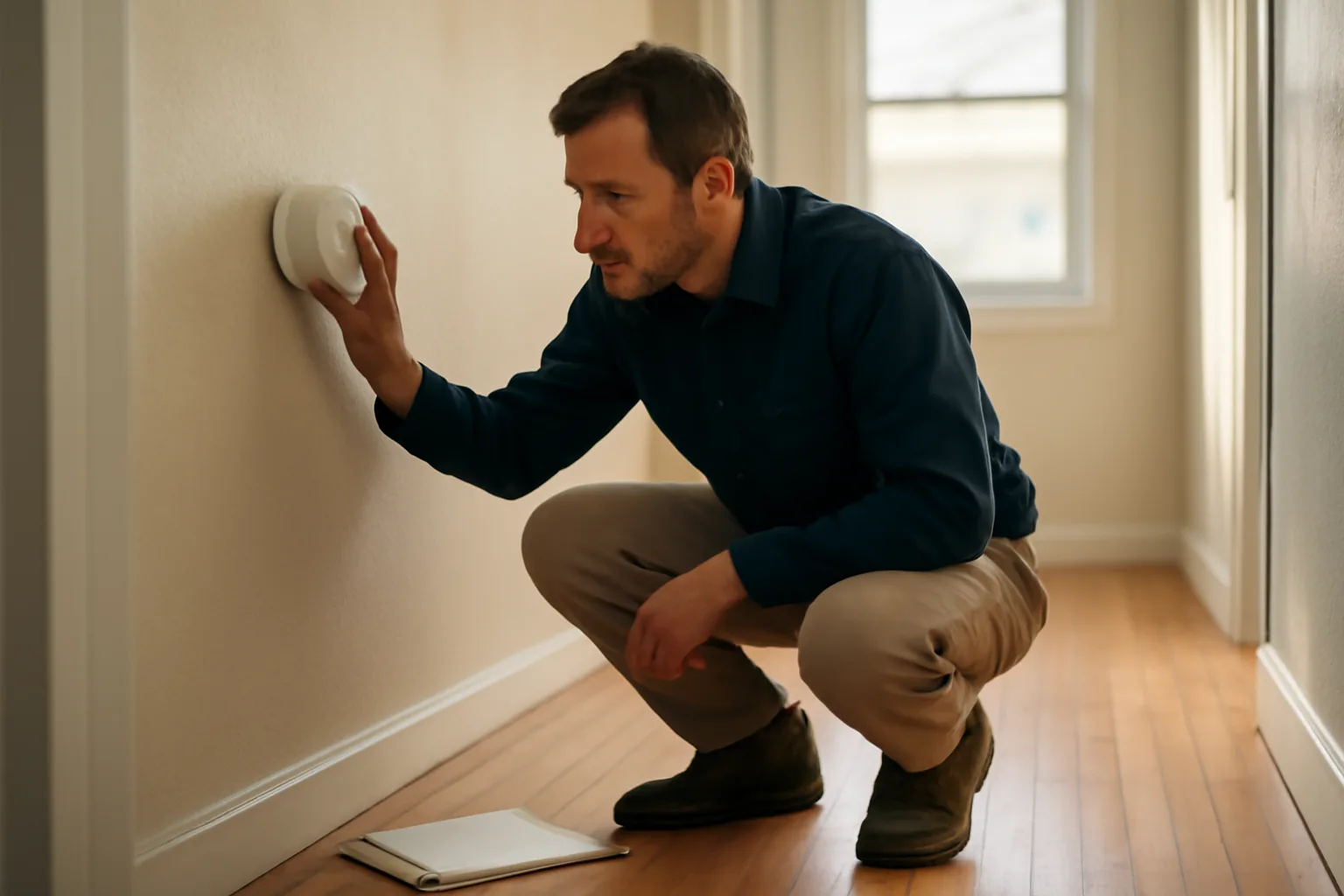
A Denver rental inspection (or the self-certification checklist that substitutes for one in many cases) focuses on basic health and safety conditions, not cosmetic finishes. Inspectors are checking whether the property is safe to live in, not whether the paint job is fresh. Common items on the list: - Working smoke alarms in the right locations, and carbon monoxide alarms where fuel-burning appliances or attached garages are present
- Two working means of egress from sleeping rooms (a legal egress window or door in bedrooms)
- No exposed wiring, overloaded circuits, or obviously unsafe electrical conditions
- Functioning heat source capable of maintaining a minimum indoor temperature
- No active water leaks, mold growth, or moisture damage
- Handrails and guardrails on stairs where required
- Working plumbing fixtures and adequate hot water
- No pest infestation
- Structural soundness of floors, walls, ceilings, and foundation This lines up with the general framework in the International Property Maintenance Code, which many cities including Denver draw from for minimum housing standards, covering things like "every sleeping room shall have not less than one operable emergency escape and rescue opening" [2]. The exact Denver checklist may vary slightly year to year, so pull the current one from the city's rental licensing page rather than relying on a general list. If you want a practical way to walk your own unit before the city (or a self-cert deadline) does, our /rental-packet-builder Rental License & Inspection Prep Packet walks through the same categories inspectors use, room by room, so you're not guessing what "exposed wiring" or "adequate egress" means in practice.
How much does a Denver rental inspection or license cost?
Denver charges a licensing fee for residential rental licenses, and the amount depends on property type (single unit versus multi-unit building) and on whether the application is a first-time filing or a renewal. Fees have changed since the program launched, so treat any number you see online as a starting point, not gospel. Confirm the current fee schedule directly with Denver's Department of Excise and Licenses before you budget for licensing, since published fee tables get updated and older blog posts (including some rental-industry ones) cite outdated figures. Beyond the license fee itself, budget for: - Any repairs needed to pass inspection (smoke alarms, CO alarms, GFCI outlets near water sources, egress hardware) which typically run under $100-$300 total for a unit that's already close to compliant
- A private inspector's fee if you hire one to pre-check the unit before the official inspection or self-certification deadline
- Late fees or fines if you miss your renewal window (Denver, like most licensing cities, has an escalating fine structure for operating without a valid license) A private pre-inspection isn't required by the city, but for landlords with older properties or units they haven't walked through in a while, it can be cheaper than failing an official inspection and scrambling to fix things on a short reinspection deadline.
How do I schedule a Denver rental inspection?
For most Denver rental licenses, the initial process starts online through the city's rental licensing portal, where you apply, pay the fee, and either complete a self-certification checklist or get routed to schedule an inspection with a city inspector depending on the property type and program rules in effect at the time. Denver has used both self-certification (owner attests the unit meets standards, subject to audit) and mandatory third-party or city inspections depending on the property category and how the ordinance has evolved. Multi-unit buildings and certain property types have, at points, required an inspection by a city-licensed private inspector rather than self-certification alone. Because the mechanism (self-cert vs. inspector vs. city inspection) has changed as the ordinance matured, don't rely on what a landlord forum said two years ago. Call Excise and Licenses or check the current rental licensing page for your specific property type before you assume which path applies to you.
What happens if I miss my Denver rental license deadline?
You'll likely face a fine, and depending on how long you go without a valid license, you may be barred from collecting rent or enforcing a lease until you get compliant. Cities with mandatory rental licensing generally build in escalating penalties: a notice period, then a fine, then increased fines or an order to stop renting the unit. Denver's ordinance gives the city enforcement authority including citations for operating without a valid rental license. If you got a notice, don't just pay the fine and move on. Fix the underlying licensing gap immediately, because an unresolved violation can compound (some cities charge per day, per unit) and can also complicate refinancing or selling the property later, since title companies and buyers increasingly ask about active rental license status. If you're behind, the fastest path back to compliance is usually: pull your property's current status from the city portal, identify exactly what's missing (application, fee, inspection, or all three), and knock those out in order rather than trying to do everything simultaneously.
What can a landlord look at during an inspection?
During a routine or move-in/move-out inspection, a landlord (or the landlord's inspector) can generally look at the physical condition of the unit: walls, floors, ceilings, appliances, fixtures, smoke and CO alarm function, signs of damage beyond normal wear, and safety hazards. A landlord can document existing condition with photos and notes, check that appliances and utilities work, and note anything that looks like tenant-caused damage versus normal wear and tear. What a landlord generally cannot do is treat an inspection as a pretext to search through a tenant's personal belongings, closets, or drawers beyond what's needed to assess the condition of the unit itself. Most state landlord-tenant statutes require advance notice before entry for inspection purposes, and entry has to be for a legitimate purpose (inspecting condition, making repairs, showing the unit to prospective tenants or buyers), not general snooping. Colorado's entry notice rules are set at the state level, and Denver landlords need to follow Colorado's statutory framework in addition to any city licensing inspection requirements. If you're unsure what counts as reasonable notice or purpose in your state, check your state's landlord-tenant statute directly. This is also where our tenant rights guide is worth a look, since entry rules sit right at the intersection of landlord inspection needs and tenant privacy protections.
How much notice does a landlord have to give before entering?
Notice requirements vary by state, but 24 hours' written or verbal notice before entry for non-emergency purposes is the most common standard across states that have a specific statute. Some states require 24 hours, some require 48, and some don't set a specific number at all but require "reasonable" notice, which courts interpret contextually. Colorado doesn't have a single statewide statute spelling out a specific notice period for routine landlord entry the way some states do (California, for example, generally requires 24 hours' written notice for non-emergency entry under its Civil Code) [3]. In the absence of a specific state mandate, notice terms are often addressed in the lease itself, and reasonable practice (giving tenants at least 24 hours whenever possible) is the safest default regardless of what the statute technically requires. Emergencies are the standard exception nationwide: if there's a fire, a burst pipe, or another situation threatening life or property, a landlord generally can enter without advance notice. That exception is narrow though. "I wanted to check on things" is not an emergency.
Who is responsible for a rental property walk-through inspection?
For a move-in or move-out inspection, responsibility typically falls on the landlord to document unit condition, but the process works best when both landlord and tenant walk through together and sign off on the same checklist. In California specifically, state law gives tenants a right to request an initial move-out inspection before the actual move-out date, so they have a chance to fix any deficiencies before losing part of their deposit. California Civil Code section 1950.5 requires that if a landlord conducts this pre-move-out inspection, they must provide the tenant an itemized statement of needed repairs or cleaning, giving the tenant an opportunity to address those items before the final move-out inspection [4]. This applies to California specifically. Colorado (and Denver) don't have an identical statutory pre-move-out inspection right, so if you're operating in Denver, check Colorado's security deposit statute (C.R.S. 38-12-103) for what's actually required around move-out documentation and deposit return timelines [5], rather than assuming California's rules apply.
What is landlording and what is a landlord?
A landlord is the owner (or an authorized agent of the owner) of a residential or commercial property who rents that property to a tenant in exchange for rent, under a lease or rental agreement. Landlording is the ongoing work of managing that relationship and the property: collecting rent, handling repairs, meeting legal notice and habitability obligations, keeping the property licensed and inspected where required, and managing tenant turnover. It's not passive. People who buy a rental property expecting pure passive income often get surprised by how much operational work is involved: responding to maintenance requests, tracking lease renewals, staying current on local ordinance changes (like Denver's licensing program), budgeting for vacancy and repairs, and handling the occasional difficult tenant situation. HUD's landlord resources describe the role as including maintaining the property in compliance with local housing codes and habitability standards [6], which in a city like Denver directly includes staying current on rental licensing.
How do you become a landlord and how do you be a landlord well?
Becoming a landlord starts with acquiring a rental property (purchase, inheritance, or converting a primary residence into a rental) and then meeting whatever registration, licensing, and tax obligations your city and state impose before you rent it out. In a city like Denver, that means getting your rental license in place before signing a lease, not after. Practical steps, roughly in order: 1. Confirm the property is legally allowed to be rented (zoning, HOA rules if applicable, and any city licensing requirement) 2. Get the unit inspection-ready: working smoke and CO alarms, functioning heat, no obvious safety hazards 3. Apply for and obtain your rental license if your city requires one (Denver does, for most residential rentals) 4. Set up a lease that complies with your state's landlord-tenant law 5. Screen tenants consistently and legally (fair housing laws apply regardless of portfolio size) 6. Set up rent collection, maintenance response, and record-keeping systems before your first tenant moves in Being a good landlord day-to-day mostly comes down to responsiveness (fixing habitability issues fast), documentation (photos, written notices, dated records), and staying current on the legal requirements in your specific city and state, since those requirements genuinely differ block to block once you cross a city line. Our landlord landlords resource is a decent starting point for setting up a first rental from scratch.
What rights do tenants have without a lease?
A tenant without a written lease, sometimes called a tenant-at-will or month-to-month tenant by default, still has legal rights: the right to habitable housing, the right to advance notice before eviction, and protection from illegal lockouts or utility shutoffs, even though the specific terms of tenancy are less clearly documented than they would be under a signed lease. Most states treat an undocumented but ongoing tenancy (someone paying rent and living in a unit regularly) as a month-to-month tenancy governed by state statutory default rules. That means the landlord generally still has to give proper notice to terminate (commonly 30 days, though this varies by state and by how long the tenant has lived there), can't change the locks or shut off utilities to force someone out, and still owes the tenant a habitable unit under implied warranty of habitability doctrine, which most states recognize even without a written lease spelling it out. For landlords operating without written leases, that's a risk factor worth fixing regardless of what minimum rights apply, since disputes over rent amount, deposit terms, and responsibilities get much harder to resolve without anything in writing. Check our tenants rights and renters rights resources for state-specific baselines.
Why do landlords require renters insurance?
Landlords require renters insurance mainly to shift liability for a tenant's personal belongings and personal liability incidents away from the landlord's own policy. A landlord's property insurance covers the building itself, not the tenant's furniture, electronics, or clothing, and it generally doesn't cover a tenant's liability if, say, the tenant's dog bites a visitor or the tenant accidentally starts a kitchen fire that damages a neighboring unit. Renters insurance is typically cheap (commonly in the range of $15 to $30 a month depending on coverage amount and location, though exact pricing depends on the insurer and the tenant's coverage choices) and requiring it as a lease condition is one of the more low-cost risk management moves a landlord can make. It also reduces the odds that a landlord ends up in a dispute over who pays for tenant property damaged in a fire, burst pipe, or other covered event, since the tenant's own policy is the first line of coverage for their belongings. Requiring it is legal in most states as a standard lease condition, though a landlord generally can't make renters insurance a fair-housing pretext (applying the requirement selectively). Apply it uniformly across all tenants if you use it.
What can't a landlord do in Ohio?
Ohio landlords are restricted by the Ohio Revised Code (particularly ORC Chapter 5321, the Ohio Landlords and Tenants Act) from several actions common in landlord-tenant disputes: they cannot shut off utilities to force a tenant out, cannot change the locks without a court order (self-help eviction is illegal), and cannot retaliate against a tenant for exercising a legal right, like reporting a code violation. Ohio Revised Code 5321.02 specifically prohibits a landlord from retaliating by increasing rent, decreasing services, or threatening eviction against a tenant who has complained to a government agency about a building, housing, health, or safety code violation, or who has joined a tenant organization [7]. Ohio Revised Code 5321.15 separately prohibits landlords from using "self-help" eviction methods, meaning a landlord cannot remove a tenant's belongings, change locks, or shut off utilities to force someone out without going through the court eviction process [8]. Ohio landlords also must maintain the premises in a fit and habitable condition under ORC 5321.04, including keeping common areas safe, maintaining electrical, plumbing, and heating systems, and complying with applicable housing and safety codes . This is Ohio-specific. Colorado and Denver landlords are governed by Colorado's own landlord-tenant statutes (Title 38, Article 12 of the Colorado Revised Statutes), not Ohio's, so don't assume Ohio's rules transfer directly if you're operating in Denver.
Frequently asked questions
Does every rental unit in Denver need a license?
Most residential rentals in Denver need a license under the city's rental licensing program, with limited exceptions (some owner-occupied situations differ). Don't assume your property is exempt just because it's small or you rent to family. Confirm your specific property type with Denver's Excise and Licenses office before renting it out.
How long does a Denver rental license last before renewal?
Denver's rental license renewal cycle has changed as the program matured, so confirm the current renewal interval directly with Excise and Licenses rather than relying on an older article. Mark your renewal date the moment you get your license so you don't miss the window and trigger fines.
Can I self-certify my Denver rental instead of getting inspected?
Denver has used self-certification for some property types, where the owner attests the unit meets minimum housing standards, subject to city audit, while other property types have required an inspection. Which path applies depends on property type and current program rules, so check with Excise and Licenses directly.
What happens if my Denver rental fails inspection?
You'll typically get a list of required corrections and a reinspection deadline. Fix the items (commonly smoke/CO alarms, egress issues, or electrical hazards) and schedule your reinspection promptly, since operating without a valid license while corrections are pending can expose you to fines.
Do I need a licensed inspector or can I do it myself?
Depends on the program path Denver assigns to your property type. Self-certification lets the owner attest to compliance without hiring an inspector, while other property types require inspection by a city inspector or city-licensed private inspector. Confirm which path applies to your unit with Excise and Licenses.
How much notice does a landlord have to give before entering a rental unit?
Most states with a specific statute require 24 hours' notice for non-emergency entry; California requires this in writing under its Civil Code. Colorado doesn't set one specific statewide number, so lease terms and reasonable practice (defaulting to at least 24 hours) fill that gap for Denver landlords.
What can a landlord look at during a property inspection?
A landlord can assess the unit's physical condition: appliances, fixtures, smoke/CO alarms, signs of damage, and safety hazards. A landlord generally can't use an inspection as a pretext to search personal belongings beyond what's needed to check the unit's condition.
Who's responsible for a rental walk-through inspection in California?
The landlord conducts the inspection, but California law (Civil Code 1950.5) gives tenants the right to request a pre-move-out inspection so they can fix deficiencies before losing deposit money. The landlord must then provide an itemized list of needed repairs or cleaning after that pre-inspection.
Why do landlords require tenants to carry renters insurance?
Mainly to shift liability. A landlord's own insurance covers the building, not tenant belongings or tenant-caused liability incidents. Requiring renters insurance (typically $15-$30 a month) protects tenants' property and reduces disputes over who pays after fires, floods, or liability claims.
What can't a landlord legally do in Ohio?
Ohio landlords can't shut off utilities, change locks, or remove belongings to force a tenant out (ORC 5321.15 bans self-help eviction), and can't retaliate against tenants who report code violations (ORC 5321.02). They also must maintain habitable conditions under ORC 5321.04.
What rights does a tenant have if they never signed a lease?
A tenant without a written lease is usually treated as a month-to-month tenant under state default rules, still entitled to habitable housing, protection from illegal lockouts, and advance notice before eviction. Exact notice periods and protections vary by state.
Is a private pre-inspection worth paying for before my Denver rental license inspection?
For older properties or units you haven't walked through recently, yes, it can be worth it. A private pre-check typically costs less than failing the official inspection and scrambling on a short reinspection deadline, especially if you're unsure about egress, alarm placement, or electrical issues.
Sources
- International Code Council, International Property Maintenance Code, Section 702: Minimum housing code standards, adopted in various forms by cities including Denver, require every sleeping room to have an operable emergency escape and rescue opening.
- California Civil Code Section 1954: California generally requires 24 hours' written notice before landlord entry for non-emergency purposes.
- California Civil Code Section 1950.5: California law gives tenants the right to request a pre-move-out inspection and requires landlords to provide an itemized statement of needed repairs afterward.
- Colorado Revised Statutes Title 38, Article 12, Part 1: Colorado's security deposit statute governs move-out documentation and deposit return timelines for Denver-area landlords.
- U.S. Department of Housing and Urban Development, Rental Housing information for owners: Landlord responsibilities include maintaining rental property in compliance with local housing codes and habitability standards.
- Ohio Revised Code Section 5321.02: Ohio law prohibits landlords from retaliating against tenants who report code violations or join tenant organizations.
- Ohio Revised Code Section 5321.15: Ohio law prohibits landlords from using self-help eviction methods like changing locks or shutting off utilities.
- Ohio Revised Code Section 5321.04: Ohio law requires landlords to maintain rental premises in a fit and habitable condition, including working electrical, plumbing, and heating systems.