Last updated 2026-07-26
TL;DR
Cities named Peoria (both Illinois and Arizona have one) require owners of non-owner-occupied residential property to register with the city, often annually, sometimes paired with a rental inspection program. Fees, forms, and inspection triggers vary by city and change year to year, so confirm current rules with your specific city's rental licensing or code enforcement office before you rent out a unit.
Does the City of Peoria require rental registration?
There are two well-known cities named Peoria in the United States: Peoria, Illinois and Peoria, Arizona. Both have run rental registration or rental inspection programs at different points, and both have adjusted their rules over time as councils revisit fees and enforcement priorities. If you own a rental unit in either city, don't assume last year's rule is this year's rule. The safest first move is to call or check the website for your specific city's code enforcement, community development, or rental licensing division and ask three questions: is registration mandatory for my property type, what's the current fee, and is there an inspection tied to it. Municipal codes get amended through ordinance, and fee schedules often live in a separate resolution that changes more often than the code section itself. A phone call takes ten minutes and saves you from guessing. If you manage property in a Peoria (or any similarly named suburb; there's also a Peoria Heights, Illinois nearby, which is a different jurisdiction with its own rules), treat the city name as a starting point for research, not the final answer. Confirm with your city rental licensing office directly, because ordinance text posted on a city's municode or American Legal Publishing page is usually the authoritative source, more reliable than a general web search.
How do I register a rental property with the city?
Most cities that require rental registration follow a similar basic process, even though forms and portals differ. You'll typically need the property address, the owner's legal name and mailing address, a local or in-state contact person if you live out of the area, the number of units, and sometimes a copy of your deed or proof of ownership. Step one is finding the correct department. In many cities this sits under code enforcement, community development, or a dedicated rental licensing office, not the tax assessor or the building permit counter, which trips people up. Step two is the application itself, usually a short form (paper or online) plus the fee. Step three, in cities that pair registration with inspection, is scheduling or waiting to be scheduled for an initial walkthrough. Step four is renewal, usually annual or biennial, which is often just a fee and a confirmation that contact information hasn't changed, unless a complaint or a change of tenancy triggers a new inspection. Because every city's portal, fee amount, and renewal cadence differs, and because ordinance numbers get amended, the concrete numbers for your property should come from your city rental licensing office's current fee schedule, not from a generic article. If you want a structured way to gather the paperwork most cities ask for before you start the online form, a packet built around common city rental license requirements can save you a few rounds of back-and-forth with the counter clerk. That's the kind of prep work our $79 Rental License & Inspection Prep Packet is built to organize, though the packet doesn't replace checking your city's actual current requirements.
How do I become a landlord in a city with mandatory rental registration?
Becoming a landlord is mostly about paperwork and risk management before it's about finding a tenant. If your city requires rental registration or licensing, that step comes before you advertise the unit in most municipal codes, not after you've already signed a lease. The practical sequence looks like this: confirm your property is zoned or permitted for rental use, register or license the unit with the city if required, get a habitability inspection if your city mandates one, set up a way to collect rent and screen tenants consistent with fair housing law, and get landlord (more than homeowner) insurance in place. The U.S. Department of Housing and Urban Development's Fair Housing Act materials outline the seven protected classes under federal law (race, color, national origin, religion, sex, familial status, and disability) that apply to advertising, screening, and lease terms nationwide [1]. Most new landlords underestimate two things: the cost of a vacancy while you handle registration or inspection paperwork, and the local nuance in notice periods and habitability standards. A landlord in a city with a rental inspection ordinance who skips registration isn't just risking a fine; some cities also bar owners from collecting rent or evicting for nonpayment on an unregistered unit until it's brought into compliance. That second consequence catches people off guard far more than the fine does.
What is landlording, and what exactly is a landlord?
A landlord is the owner (or the owner's authorized agent) who rents residential or commercial property to a tenant in exchange for rent, under a lease or rental agreement. Landlording is the ongoing work of managing that relationship and that property: collecting rent, handling repairs, responding to habitability complaints, following notice and eviction procedures, and keeping the unit compliant with local codes including rental registration or licensing where required. Legally, a landlord's core duties in most states include maintaining a habitable unit (working plumbing, heat, and structural safety), respecting the tenant's right to quiet enjoyment, and following state and local rules on notice, entry, and security deposits. These duties exist independent of whether your city also requires rental registration; registration is a local add-on layer, not a substitute for state landlord-tenant law. Practically, landlording splits into three buckets of work: compliance (registration, inspections, insurance, taxes), operations (rent collection, maintenance, tenant communication), and risk management (screening, documentation, lease enforcement). New landlords tend to focus on operations and skip compliance until a notice arrives in the mail. That's backwards. Compliance problems (an unregistered unit, an expired inspection certificate) can block your ability to collect rent or evict in some cities, which makes operations moot.
What rights do tenants have without a lease?
A tenant without a written lease still has legal rights. In most states, an oral rental agreement or a simple month-to-month arrangement where rent is accepted creates a tenancy at will, and the tenant gets the same basic protections as someone with a signed lease: the right to habitable housing, protection from illegal lockouts or utility shutoffs, and the right to proper written notice before the landlord can end the tenancy. What changes without a written lease is mostly proof. Without a signed document, the specific rent amount, due date, and rules can become a he-said-she-said dispute. Courts generally treat consistent past practice (what rent has actually been paid and accepted, month after month) as evidence of the informal agreement's terms. Habitability rules come from state and local housing codes, not from the lease itself, so a tenant without a lease is still owed a livable unit: working heat, plumbing, and no serious safety hazards. Notice requirements for ending a no-lease, month-to-month tenancy also come from state law, commonly somewhere in the 30-to-60-day range depending on the state and how long the tenancy has lasted, though you must check your specific state's statute since these numbers vary. See our related coverage on tenants rights and tenant rights for state-level detail.
How much notice does a landlord have to give before entry or ending a tenancy?
Notice requirements split into two very different categories, and landlords often mix them up: notice to enter the unit for inspection or repairs, and notice to end a tenancy or raise rent. For entry, many states set a specific advance-notice window. California, for example, generally requires landlords to give tenants "reasonable notice," which state law defines as 24 hours in writing for most non-emergency entries, under California Civil Code Section 1954 [2]. Other states use 24 hours, 48 hours, or a vaguer "reasonable notice" standard with no fixed number, so the exact hours depend entirely on your state's statute. For ending a month-to-month tenancy or non-renewing a lease, notice periods commonly range from 7 to 60 days depending on the state, how long the tenant has lived there, and the reason for termination. Some states scale the notice period up for longer tenancies (for example, requiring 60 days' notice once a tenant has been in place for a year or more, rather than 30). Rent increase notice, in states or cities that require advance notice for that specifically, often mirrors the termination notice period but again depends entirely on your jurisdiction. If your rental sits in a city with its own rental registration or inspection ordinance, that city's code may add separate notice requirements for entries connected to a compliance inspection, layered on top of state law, so check both.
What can a landlord look at during an inspection?
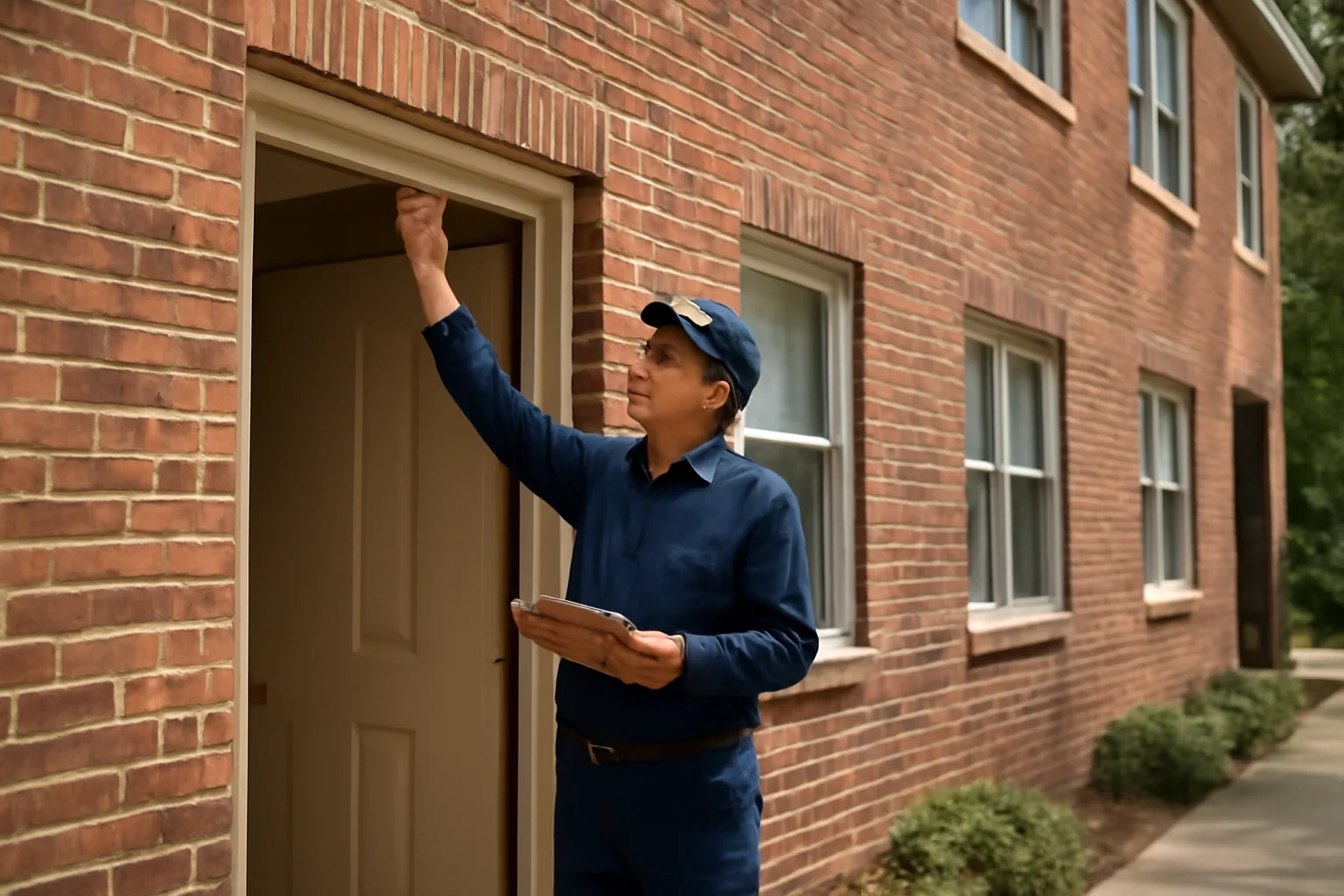
During a routine or compliance inspection, a landlord (or a city inspector) can generally examine anything related to the physical condition and safety of the unit: smoke and carbon monoxide detectors, electrical outlets and panels, plumbing fixtures and water heaters, heating and cooling systems, windows and doors, floors, walls, and ceilings for structural or moisture damage, and any visible safety hazards like exposed wiring or blocked exits. What an inspection is not for is rummaging through a tenant's personal belongings, closets, or private areas beyond what's needed to check the systems above. A habitability inspection checks the property, not the tenant's housekeeping or possessions, and most state entry statutes limit landlord access to specific stated purposes: repairs, safety inspections, showing the unit to prospective tenants or buyers, or responding to an emergency. City-run rental inspection programs, where they exist, typically check a fixed list tied to the local housing or property maintenance code: functioning smoke detectors, adequate egress, no active leaks, working plumbing, safe electrical, and no obvious code violations like unpermitted units or overcrowding. Some cities publish their inspection checklist in advance so owners can self-correct before the scheduled visit, which is worth requesting from your city's rental licensing office if it isn't already posted online.
Who is responsible for a rental property walk-through inspection in California?
In California, the landlord is generally responsible for conducting or arranging move-in and move-out walk-through inspections, and state law gives the tenant specific rights around that process tied to the security deposit. Under California Civil Code Section 1950.5, a landlord who intends to withhold any part of a security deposit for repairs or cleaning after move-out must, at the tenant's request, conduct an initial inspection before the tenancy ends and give the tenant a chance to fix identified issues themselves [3]. "The landlord shall give the tenant reasonable notice of no less than 48 hours prior to the initial inspection... unless the tenant waives the right to the notice," per California Civil Code Section 1950.5(f) [3]. After that initial walkthrough, the landlord must give the tenant an itemized statement of anything the tenant could still fix before the final move-out. So the responsibility runs to the landlord, but the process is tenant-initiated (or landlord-offered) and tenant-participatory by design; it isn't a unilateral landlord walkthrough. This is separate from any city rental inspection program a California city might run under its own rental registration ordinance, which is a code-compliance inspection, not a security-deposit walkthrough, and follows that city's separate notice rules.
Why do landlords require renters insurance?
Landlords require renters insurance mainly to shift liability and personal-property risk away from themselves. A tenant's own belongings (furniture, electronics, clothing) usually aren't covered by the landlord's property insurance policy at all; that policy covers the building, not the tenant's stuff. If a pipe bursts or a fire happens, a tenant without renters insurance has no coverage for their own losses, which often leads to disputes or even lawsuits against the landlord over who's at fault. Renters insurance also typically includes liability coverage, which protects the tenant (and indirectly the landlord) if a guest is injured in the unit or if the tenant accidentally causes damage, like a kitchen fire that spreads to a neighboring unit. Without that coverage, the landlord's own liability policy may end up absorbing costs that should have been the tenant's responsibility. Many landlords require it in the lease as a condition of tenancy, often with a minimum liability coverage amount (commonly $100,000 or $300,000, though this varies by landlord and by state) and require the landlord be named as an "interested party" on the policy so they're notified if it lapses. Requiring renters insurance is legal in nearly every state as a lease condition, though a few jurisdictions add disclosure or cost-transparency rules, so check your state and city rules before adding the clause.
What can't a landlord do in Ohio?
Ohio's landlord-tenant law, codified mainly in Ohio Revised Code Chapter 5321, sets specific limits on landlord conduct. A landlord in Ohio cannot shut off utilities, change the locks, or remove a tenant's belongings to force them out; this is commonly called "self-help eviction," and Ohio law requires landlords to go through the formal court eviction (forcible entry and detainer) process instead [4]. Ohio Revised Code Section 5321.04 requires landlords to keep the premises in a fit and habitable condition, comply with building and housing codes materially affecting health and safety, and keep common areas safe and clean [4]. A landlord who fails these duties can face a tenant's claim for damages or, in some cases, rent escrow through the local municipal court. Ohio law also restricts retaliatory conduct: under Ohio Revised Code Section 5321.02, a landlord generally cannot raise rent, decrease services, or start eviction proceedings against a tenant in retaliation for the tenant reporting a code violation or joining a tenants' union, within a defined time window after the protected activity [5]. And Ohio Revised Code Section 5321.05 sets out tenant obligations, while 5321.03 covers unlawful landlord acts more broadly, including certain entry restrictions, so a landlord who wants to enter for inspection should still give reasonable notice and enter at reasonable times, per that same chapter.
What happens if I skip rental registration or licensing in my city?
Consequences for skipping mandatory rental registration vary a lot by city, but they tend to fall into a few common categories: monetary fines (often charged per unit, per violation, or per day the property stays unregistered), a block on rent collection or eviction filings until the property is brought into compliance, and in repeat or serious cases, a court referral or lien against the property. Some cities issue an initial warning or a grace period before fines start; others fine on first notice. Cities that pair registration with inspection sometimes also require a re-inspection fee if the unit fails the first visit, on top of the base registration fee. None of these figures are standard across cities, so the actual fine schedule for your property needs to come from your city's current municipal code or fee resolution, available through your city clerk's office or code enforcement division. The bigger risk most landlords miss isn't the fine line item; it's the operational freeze. A landlord who can't legally collect rent or can't file an eviction because the unit was never registered ends up losing far more in unpaid rent and legal delay than any registration fee would have cost up front. If you're new to a city's rental compliance system, our landlord landlords guide and the landlord overview walk through how registration, inspection, and licensing typically interact across different city programs.
Where do I find the exact rental registration rules for my city?
Start with your city's municipal code, usually hosted on Municode.com or American Legal Publishing, searchable by city name plus "rental registration" or "rental licensing." That gives you the legal text: who must register, what's exempt (owner-occupied duplexes are commonly exempt, for instance), and what penalties attach. Next, call or email the specific department that handles it: this is sometimes code enforcement, sometimes community development, sometimes a standalone rental licensing office, and the name differs city to city. Ask directly for the current fee schedule, the renewal cycle, and whether an inspection is required at initial registration, at renewal, or only after a complaint. Finally, ask whether there's a local landlord association or a city-run landlord training program; several cities that require licensing also offer (or require) a short landlord education course, sometimes as a discount on the registration fee or as a substitute for a full inspection in the first year. These programs change often enough that this article can't list current fees or deadlines reliably; confirm everything with your city rental licensing office directly before you register, renew, or budget for the year.
Frequently asked questions
How do I become a landlord if my city requires rental registration?
Confirm your property is zoned for rental use, register or license the unit with your city before advertising it, complete any required inspection, set up fair-housing-compliant screening and a lease, and get landlord insurance. Registration is usually a prerequisite step in cities with mandatory programs, not something you can do after a tenant moves in.
Who is responsible for a rental property walk-through inspection in California?
The landlord is responsible for offering and conducting the move-out walk-through inspection under California Civil Code Section 1950.5, giving the tenant at least 48 hours' notice and a chance to fix issues before deposit deductions. This is separate from any city-run rental compliance inspection tied to a local registration ordinance.
What is landlording?
Landlording is the ongoing work of owning and managing rental property: collecting rent, handling repairs, keeping the unit habitable, following notice and eviction procedures, and staying compliant with local rules like rental registration or licensing where a city requires it.
What is a landlord?
A landlord is the owner, or an authorized agent of the owner, who rents residential or commercial property to a tenant for payment under a lease or rental agreement. Landlords carry legal duties around habitability, notice, and fair housing that exist regardless of any local registration requirement.
What rights do tenants have without a lease?
A tenant without a written lease still gets habitability protections, protection from illegal lockouts or utility shutoffs, and the right to proper written notice before the tenancy ends, under most state landlord-tenant law. What's missing is written proof of the specific terms, which can create disputes over rent amount or rules.
How much notice does a landlord have to give before entering a unit?
It depends on the state. Many states use 24 hours as a baseline for non-emergency entry (California's standard under Civil Code Section 1954), while others use 48 hours or a general "reasonable notice" standard with no fixed number. Check your specific state's landlord-tenant statute for the exact figure.
What can a landlord look at during an inspection?
A landlord or inspector can check smoke detectors, electrical and plumbing systems, heating and cooling, structural condition, and visible safety hazards. Inspections aren't meant to cover a tenant's personal belongings or private areas beyond what's needed to check those systems.
What can't a landlord do in Ohio?
Under Ohio Revised Code Chapter 5321, a landlord cannot shut off utilities, change locks, or remove belongings to force a tenant out (self-help eviction is illegal); must keep the unit habitable under Section 5321.04; and cannot retaliate against a tenant for reporting code violations under Section 5321.02.
Why do landlords require renters insurance?
Renters insurance covers the tenant's personal belongings, which the landlord's property policy doesn't cover, and typically includes liability protection if a guest is injured or the tenant accidentally causes damage. Requiring it shifts risk away from the landlord's own policy and reduces dispute exposure after a fire, leak, or theft.
Does the City of Peoria require rental registration for landlords?
There are two U.S. cities named Peoria (Illinois and Arizona), and rental registration or licensing requirements can differ between them and change over time. Confirm current requirements, fees, and whether an inspection is required directly with your specific city's rental licensing or code enforcement office.
What happens if I don't register my rental property with the city?
Consequences vary by city but commonly include fines per unit or per day, and in some cities, a block on collecting rent or filing an eviction until the unit is registered. Some cities add a re-inspection fee if the unit fails its first inspection. Check your city's current fee and penalty schedule directly.
Is a written lease required for a rental agreement to be valid?
No. Oral or month-to-month rental agreements are legally valid in most states and create real tenant rights, including habitability protections and notice requirements before ending the tenancy. A written lease isn't required for validity, but it makes proving the agreed terms far easier if a dispute comes up.
Sources
- U.S. Department of Housing and Urban Development, Fair Housing Act overview: Federal Fair Housing Act protects seven classes in housing advertising, screening, and lease terms
- California Legislative Information, Civil Code Section 1950.5: Landlord must give at least 48 hours notice for initial move-out inspection and allow tenant to fix issues before deposit deductions
- Ohio Legislature, Ohio Revised Code Section 5321.04: Ohio landlords must keep premises in fit and habitable condition and comply with health and safety codes
- Ohio Legislature, Ohio Revised Code Section 5321.02: Ohio law prohibits landlord retaliation against tenants who report code violations or join tenant organizations
- California Legislative Information, Civil Code Section 1954: California generally requires 24 hours written notice before landlord entry for non-emergency purposes
- Ohio Legislature, Ohio Revised Code Section 5321.03: Ohio law sets out unlawful landlord acts, including certain entry restrictions requiring reasonable notice and reasonable time of entry