Last updated 2026-07-25
TL;DR
Yes, landlords can inspect a rental unit, but almost every state requires advance notice (commonly 24 to 48 hours) and a legitimate reason like repairs, safety checks, or a city-mandated rental inspection. Lease terms and local ordinances add specifics. Landlords generally cannot enter without notice except in a genuine emergency.
are landlords allowed to inspect your apartment?
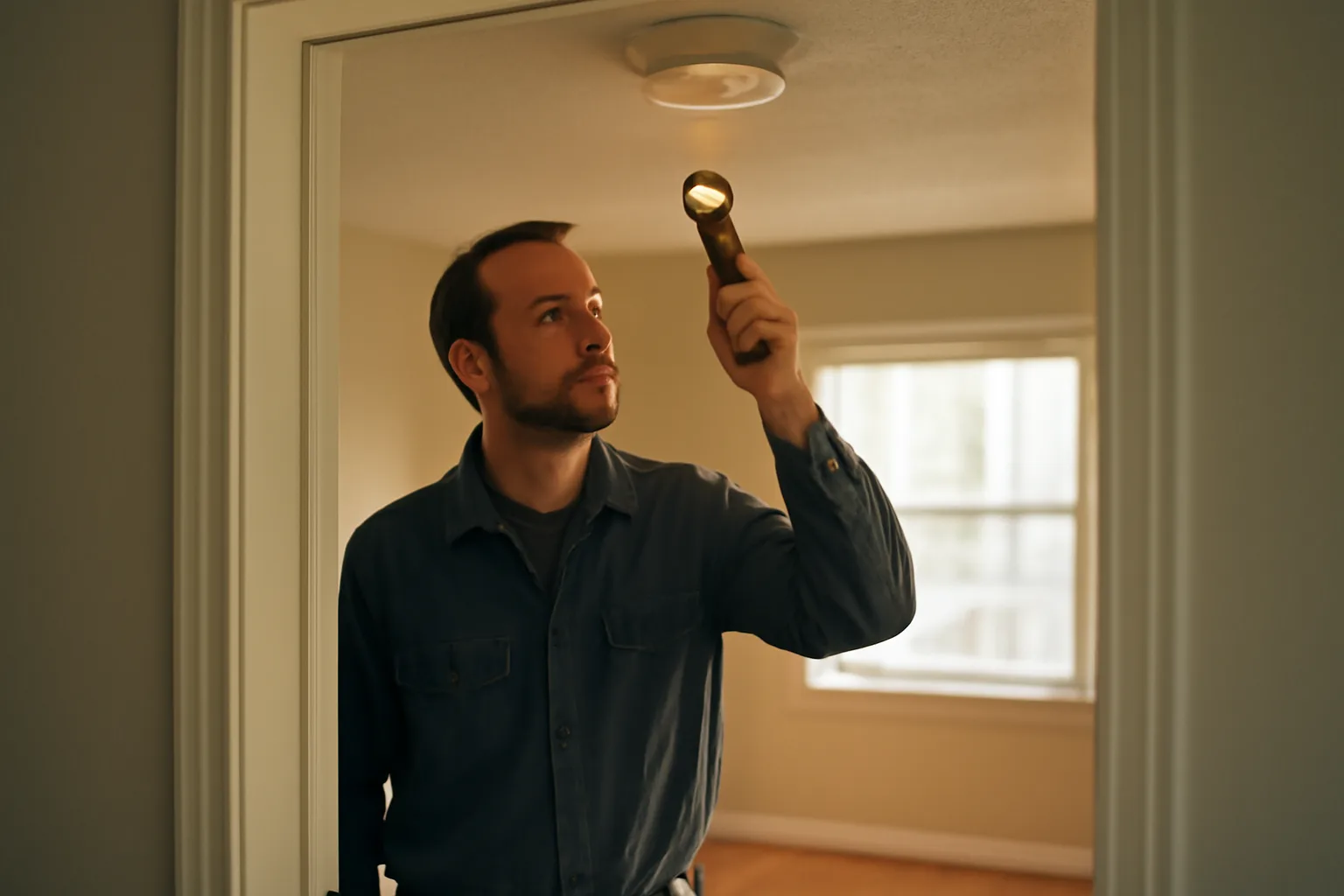
Yes. A landlord who owns the property has a legal right to inspect it, but that right almost never means walking in whenever they feel like it. Every state that has addressed the issue ties landlord entry to some combination of advance notice, a legitimate purpose, and reasonable timing. The purposes that generally count as legitimate: making repairs, showing the unit to prospective tenants or buyers, checking on habitability, and complying with a city or county's mandatory rental inspection program. Curiosity, checking up on a tenant's lifestyle, or retaliation are not legitimate purposes, and several states explicitly ban entry used as harassment or retaliation. California's Civil Code, for example, lists the specific reasons a landlord may enter, including to make necessary or agreed repairs, show the unit to prospective tenants or purchasers, or in case of emergency [1]. The short version: landlords have a right to inspect, tenants have a right to notice and reasonable limits on when and why that inspection happens. Neither side has unlimited control.
how much notice does a landlord have to give before an inspection?
| California | 24 hours presumed reasonable | Civil Code 1954 [1] | |
|---|---|---|---|
| Florida | 12 hours before entering to repair | Fla. Stat. 83.53 [2] | |
| Texas | No statewide minimum; lease controls | none specified | |
| Oregon | 24 hours written notice | ORS 90.322 [3] | Oregon's landlord-tenant statute is unusually specific: it requires the landlord to give at least 24 hours' actual written notice specifying the date, approximate time, and purpose of entry, and entry has to occur during normal business hours unless the tenant agrees otherwise [3]. If you're a landlord dealing with a mandatory rental inspection notice from the city rather than a routine walkthrough, the notice period is often set by that specific ordinance and can differ from the general landlord-tenant statute. Always check with your city's rental licensing office before assuming the state minimum applies to a municipal inspection. |
Most states land somewhere between 24 and 48 hours of written or verbal notice, though the exact number and the required delivery method vary a lot by state and sometimes by city ordinance. California requires "reasonable notice," and the statute specifically says 24 hours is presumed reasonable absent evidence to the contrary [1]. Texas has no statewide statute setting a specific notice period for routine entry, which means the lease terms usually control unless a local ordinance fills the gap. Florida requires landlords to give tenants at least 12 hours notice before entering to make repairs, per Florida Statutes section 83.53 [2]. New York doesn't have one blanket statewide notice statute for private entry outside of NYC-specific rules, but many leases and local rules require 24 to 48 hours anyway, and courts have leaned on the implied warranty of quiet enjoyment when landlords enter unreasonably. Here's a comparison of how a few states actually word their notice requirement: | State | Notice required | Statute |
what can a landlord look at during an inspection?
A landlord conducting a routine inspection can generally check smoke detectors and carbon monoxide alarms, plumbing and fixtures for leaks, HVAC function, signs of pest infestation, structural issues like water damage or mold, and general habitability conditions. That's it, mostly. What a landlord cannot do is treat an inspection as a fishing expedition. Opening drawers, going through personal belongings, photographing personal items unrelated to the property's condition, or searching for evidence of a lease violation unrelated to the stated purpose of the visit all cross a line most courts would call unreasonable. If the inspection is for a city rental license renewal, the inspector is typically checking against a specific municipal checklist (working locks, egress windows, working smoke detectors, sometimes water heater strapping or electrical panel condition) rather than doing a general search of the unit. A tenant does have the right to be present for a scheduled inspection in most jurisdictions, and reasonable tenants and landlords usually work out a mutually workable time. If a tenant refuses entry entirely and there's no emergency, the landlord's remedy is typically to go to court for access, not to let themselves in.
can a landlord enter without notice in an emergency?
Yes, essentially every state carves out an emergency exception. A burst pipe flooding the unit below, a gas leak, a fire, or a similarly urgent safety issue lets a landlord enter without the usual notice period. California's statute allows entry without notice "in case of emergency" [1]. Oregon's statute similarly allows entry without notice when there's an emergency threatening injury to persons or property [3]. What doesn't count as an emergency: a landlord wanting to check on things because a neighbor complained about noise, a landlord suspecting (without evidence) that the tenant has an unauthorized pet, or a landlord wanting to show the unit to a new tenant a few weeks early. Those all need standard advance notice.
who is responsible for a rental property walk-through inspection in california?
In California, the landlord is responsible for initiating and conducting move-in and move-out walk-through inspections, but the process is shaped by statute, not landlord discretion alone. California Civil Code section 1950.5 requires that if a landlord intends to withhold any part of a security deposit for repairs at move-out, the landlord must, upon the tenant's request, conduct an initial inspection before the tenancy ends and give the tenant an itemized statement of anticipated deductions, giving the tenant a chance to fix issues before move-out [4]. The tenant has the right to be present at that initial inspection if they request it, and the landlord has to give at least 48 hours' advance written notice of the date and time [4]. After the final move-out inspection, the landlord has 21 calendar days to return the deposit along with an itemized statement of any deductions [4]. For routine (non-move-out) inspections during a tenancy, the same general entry rules under Civil Code 1954 apply: reasonable purpose, 24 hours presumed reasonable notice, and normal business hours [1].
what a landlord cannot do in ohio
Ohio law spells out landlord obligations and tenant protections under Ohio Revised Code Chapter 5321. A landlord in Ohio cannot enter the rental unit except at reasonable times and, except in emergencies, must give the tenant reasonable notice of intent to enter, per ORC 5321.04(A)(8) [5]. Ohio courts and the statute treat 24 hours as a generally reasonable notice period, though the statute itself uses the word "reasonable" rather than naming an exact number. A landlord in Ohio also cannot retaliate against a tenant for exercising a legal right, such as requesting repairs or reporting a code violation, per ORC 5321.02 [6]. That means using an inspection as a pretext to intimidate a tenant who filed a habitability complaint is exactly the kind of thing that gets a landlord in legal trouble. Ohio also restricts self-help eviction. A landlord cannot shut off utilities, change the locks, or remove a tenant's belongings to force them out, even if rent is unpaid; the landlord has to go through the court eviction process under ORC 5321.15 [7]. None of that is about inspections directly, but it's the same theme: landlords in Ohio have real rights, but they exercise them through notice and process, not by just doing whatever they want because they own the building.
what rights do tenants have without a lease?
A tenant without a signed lease, sometimes called a tenant-at-will or month-to-month tenant by operation of law, still has real rights. Most states treat an oral or implied agreement to pay rent in exchange for occupancy as creating a periodic tenancy, usually month-to-month, and that tenancy is still governed by the state's landlord-tenant statute. That means the tenant still has a right to notice before entry, a right to habitable premises, protection from illegal lockouts, and a right to advance notice before the tenancy is terminated (commonly 30 days for a month-to-month tenancy, though some states and cities require more). What a tenant without a lease usually does not have: the specific terms a written lease would spell out, like a fixed rent amount for a set term, restrictions on landlord entry beyond the statutory minimum, or agreed-upon pet or subletting terms. Without those written terms, disputes tend to default to whatever the state statute says, which is one more reason both sides benefit from getting things in writing.
why do landlords require renters insurance?
Landlords require renters insurance mainly to shift the financial risk of tenant-caused damage and liability away from the landlord's own policy. A landlord's property insurance typically covers the building structure, but it usually doesn't cover a tenant's personal belongings, and it may not fully cover liability if a tenant's guest is injured inside the unit or if the tenant's negligence (a grease fire, an overflowing tub) causes damage. Requiring renters insurance, often with a minimum liability coverage amount like $100,000 and sometimes naming the landlord as an "interested party" on the policy, gives the landlord a source of recovery that doesn't depend on suing the tenant directly or eating the loss. It's a cheap risk transfer tool. Renters insurance policies are also inexpensive relative to the protection, commonly in the range of $15 to $30 a month depending on coverage and location, though landlords should confirm current pricing rather than quote an old number to tenants. This isn't about inspections directly, but it comes up in the same conversations landlords have about protecting the property, and tenants often ask the two questions together.
what is landlording, and what is a landlord?
A landlord is the owner (or an owner's authorized agent) who rents real property to a tenant in exchange for rent, under either a written lease or an oral/implied rental agreement. "Landlording" is the informal term for the practical work of managing that relationship: collecting rent, handling repairs, screening tenants, staying compliant with local housing codes, and, increasingly in many cities, keeping up with mandatory rental registration or licensing requirements. Landlording isn't just collecting a check. It includes maintaining the property in habitable condition (a legal obligation in every state, often called the implied warranty of habitability), following state and local notice rules for entry and eviction, and in a growing number of cities, registering the rental unit and passing a periodic inspection to keep the rental license active. Cities that require mandatory rental licensing typically tie license renewal to passing an inspection covering smoke detectors, egress, electrical safety, and general condition; missing an inspection deadline can mean fines or an inability to legally lease the unit until it's resolved. If you're managing a licensed rental and a city inspection notice just landed in your inbox, the rental packet builder walks through what documentation most city inspection programs ask for, though the specific checklist always comes from your city's own program.
how to become a landlord, and how to be a landlord well
Becoming a landlord legally usually means: buying or already owning residential property, checking whether your city or county requires rental registration or a rental license (a growing number do, especially in cities with dedicated rental housing programs), getting a habitability inspection if one is required, setting up a compliant lease, and understanding your state's landlord-tenant statute before you take a security deposit or sign a first tenant. Being a good landlord day to day comes down to a short list of habits: respond to repair requests quickly (many states set a specific timeframe, like 14 days for many issues under some state codes, before a tenant can pursue remedies), give proper notice before any entry, keep records of every inspection and repair, and never use self-help measures like shutting off utilities or changing locks to deal with a problem tenant. Landlords who skip the licensing step because they didn't know it existed are one of the most common ways individual landlords with a handful of units end up with an unexpected fine. Check with your city's rental licensing office (more than the state) before you list a unit, because plenty of municipal rental registration and inspection requirements exist entirely outside state law. For landlords who want to understand what a specific city expects from an inspection checklist, our tenant rights and renters rights overviews cover the tenant side of the same entry and notice rules discussed here, which is useful context since most disputes over inspections come down to both sides not knowing the same rule.
what happens if a tenant refuses to allow an inspection?
If a tenant refuses a properly noticed, legitimate inspection, the landlord's remedy in almost every state is to go to court, not to enter anyway. A landlord who forces entry against a tenant's refusal (without an emergency) risks a claim for trespass, unlawful entry, or breach of the covenant of quiet enjoyment, and in some states, statutory damages on top of that. Most disputes never get that far, because a landlord who gives proper notice and states a legitimate purpose (a mandated fire safety inspection for the city rental license, for instance) rarely gets an outright refusal from a reasonable tenant. When it does happen, courts generally side with the landlord if the notice and purpose were proper, but the process to enforce that is a civil action, sometimes an injunction, and it takes time. That's a strong argument for documenting every notice you send (date, method, stated purpose) rather than relying on a verbal heads-up.
how do city rental inspection requirements differ from routine landlord entry?
A routine inspection under state landlord-tenant law and a mandatory city rental license inspection are two different legal animals, even though they can look similar in practice. Routine entry is governed by the state's landlord-tenant statute (notice period, reasonable purpose, business hours). A city rental license inspection is governed by that city's municipal code and rental licensing ordinance, and the notice period, inspector access rights, and inspection checklist can all be different from the state default. Some cities' rental inspection ordinances give the city inspector (more than the landlord) a right of entry with its own notice rules, sometimes shorter or longer than the state's general landlord-tenant notice period, and sometimes tied to obtaining an administrative warrant if access is refused. That's a separate legal track from a landlord's own routine entry rights. If your city requires a rental license and you've gotten a notice about a scheduled inspection, confirm the specific notice period and checklist with your city's rental licensing office directly. Ordinances change, fees change, and what one city calls a "Certificate of Occupancy inspection" another calls a "rental registration inspection," with genuinely different requirements underneath similar names.
Frequently asked questions
Are landlords allowed to inspect your apartment without asking?
No, not for a routine inspection. Nearly every state requires advance notice, typically 24 to 48 hours, before a landlord can enter for a non-emergency inspection. The main exception is a genuine emergency threatening safety or property, like a gas leak or active flooding, where notice isn't required.
How much notice does a landlord have to give for an inspection?
It depends on the state. California presumes 24 hours is reasonable notice [1]. Oregon requires at least 24 hours written notice [3]. Florida requires 12 hours before entering to make repairs [2]. Many states just say "reasonable notice" without naming a number, so check your state statute or lease.
What can a landlord look at during an inspection?
A landlord can check things tied to the property's condition and safety: smoke detectors, plumbing, HVAC, pest issues, structural damage, and general habitability. A landlord generally cannot search personal belongings, open drawers, or use the inspection to look for evidence unrelated to the property's condition.
What is a landlord legally responsible for?
A landlord is legally responsible for keeping the unit habitable (working plumbing, heat, structural safety), following state notice rules before entering, returning security deposits properly and on time, and, in cities with mandatory rental licensing, keeping the unit registered and passing required inspections.
What rights do tenants have without a lease?
A tenant without a written lease usually still has a month-to-month tenancy under state law, with the same rights to notice before entry, habitable conditions, and advance notice before termination (often 30 days). What they lack is the specific written terms a lease would set, so disputes default to the state statute.
Why do landlords require renters insurance?
Landlords require renters insurance to shift the cost of tenant-caused damage and liability claims away from the landlord's own policy, since a landlord's property insurance usually doesn't cover a tenant's belongings or all liability scenarios inside the unit. It's a low-cost way to reduce the landlord's financial exposure.
Can a landlord enter without notice in an emergency?
Yes. Every state with entry statutes carves out an emergency exception, covering things like fire, flooding, or a gas leak. California allows entry without notice "in case of emergency" under Civil Code 1954 [1]. Non-emergencies, like general curiosity, still require standard advance notice.
Who is responsible for a move-out walk-through inspection in California?
The landlord is responsible for initiating it. If the landlord may withhold deposit money for repairs, California Civil Code 1950.5 requires an initial inspection before move-out if the tenant requests one, with 48 hours advance written notice, followed by an itemized deduction statement [4].
What can't a landlord do in Ohio?
Under Ohio Revised Code Chapter 5321, a landlord cannot enter without reasonable notice except in an emergency, cannot retaliate against a tenant for reporting a code violation, and cannot self-help evict by shutting off utilities or changing locks without going through the court process [5][6][7].
Can a tenant refuse to let a landlord inspect the apartment?
A tenant can refuse an improperly noticed or illegitimate entry attempt. But refusing a properly noticed inspection with a legitimate purpose doesn't stop the landlord's legal right to access; the landlord's remedy is to go to court, not to force entry, except in a genuine emergency.
How do I become a landlord legally?
Check whether your city or county requires rental registration or licensing before you list a unit, get any required habitability inspection done, set up a compliant lease, and learn your state's landlord-tenant notice and deposit rules. Many cities add requirements on top of state law, so confirm locally before your first tenant moves in.
How is a city rental inspection different from a landlord's routine inspection?
A routine inspection follows your state's landlord-tenant entry statute. A city rental license inspection follows that city's own ordinance, which can set a different notice period, give the city inspector separate access rights, and use its own safety checklist. Confirm the specific rules with your city's rental licensing office.
Sources
- California Civil Code: California landlords need reasonable purpose to enter, 24 hours is presumed reasonable notice, and emergency entry is allowed without notice
- Florida Statutes section 83.53: Florida requires at least 12 hours notice before entering to make repairs
- Oregon Revised Statutes 90.322: Oregon requires at least 24 hours written notice specifying date, time, and purpose before landlord entry
- California Civil Code section 1950.5: California requires an initial move-out inspection upon tenant request with 48 hours notice, and 21 days to return the deposit with an itemized statement
- Ohio Revised Code 5321.04: Ohio landlords must give reasonable notice before entry except in emergencies
- Ohio Revised Code 5321.02: Ohio prohibits landlord retaliation against a tenant for exercising legal rights like reporting code violations
- Ohio Revised Code 5321.15: Ohio prohibits self-help eviction methods like shutting off utilities or removing a tenant's belongings